




Operational Safety and Occupational Safety
Employees are FENC’s most valuable asset. The Company commits resources to help employees maintain and improve physical, mental and workplace health to achieve work-life balance. Health programs at FENC focus on health management, health care and health promotion with the aspiration to maintain a work environment that offers greater safety, comfort and warmth.
Employee Health Management and Promotion
1. Regular Health Check
• Health management systems
To promote a healthy workplace, FENC headquarters, Hsinpu Chemical Fiber Plant, Kuanyin Chemical Fiber Plant, and FEIW established their own health management systems. Staff may log on at any time to review past health check reports and monitor their own health. They may also register online for health promotion campaigns. The system provides health-related knowledge to help employees improve health management.
In addition to establishing health promotion plans in accordance with the regulations, the health management system conducts analysis based on employees’ health reports. When anomalies are detected, a comprehensive monitoring mechanism is designed according to the type and severity of conditions. The mechanism includes classification, tracking and medical consultation in order to provide employees with effective, systematic and continuous health management. During the process, occupational physicians and nurses provide holistic health risk assessment and control, offering complete care to safeguard employees’ health.
• Regular health checkups that are more comprehensive than those required by law
FENC fully subsidizes annual health checkups for expatriate personnel and biennial checkups for senior executives. In 2025, a total of 239 senior executives completed their health examinations, with total subsidies amounting to approximately NT$4.78 million. For general employees, FENC organizes on-site health checkups in collaboration with hospitals every two years. Following these examinations, our on-site healthcare professionals proactively notify employees with abnormal results, ensuring systematic follow-up consultations and continuous health tracking.
FENC production sites in mainland China provide regular health checkups for employees upon completing one year of employment, and a comprehensive health profile is established for each employee. Medical doctors are invited to the production sites to explain employees’ health conditions during the one-on-one consultation. FENC production sites in Vietnam provide annual health checkups for employees, and female employees who wish to also receive gynecological checkups.
• Holistic Health Empowerment
Employees are faced with both physical and mental challenges in a fast-paced working environment, which prompted FENC to launch the Holistic Health Lecture Series, building a platform that supports employees with health information covering topics such as physical health, mental resilience, stress management and nutrition. The central focus is to empower employees with the ability of self-care and to integrate health awareness into their daily decision-making. The benefits are reflected in the improvement of employees’ self-health management skills and atmosphere at work. Employees’ awareness of FENC’s investment in their health and well-being also improved their work engagement and sense of belonging, which is fostering a cohesive corporate culture at FENC.
In the wake of the gas explosion incident that occurred at Hsinpu Chemical Fiber Plant in February 2025, a three-month care program was offered to 59 employees who experienced psychological impacts. Ten sessions were held in collaboration with the Far Eastern Memorial Hospital, helping employees recover and adapt as they returned to the workplace.。
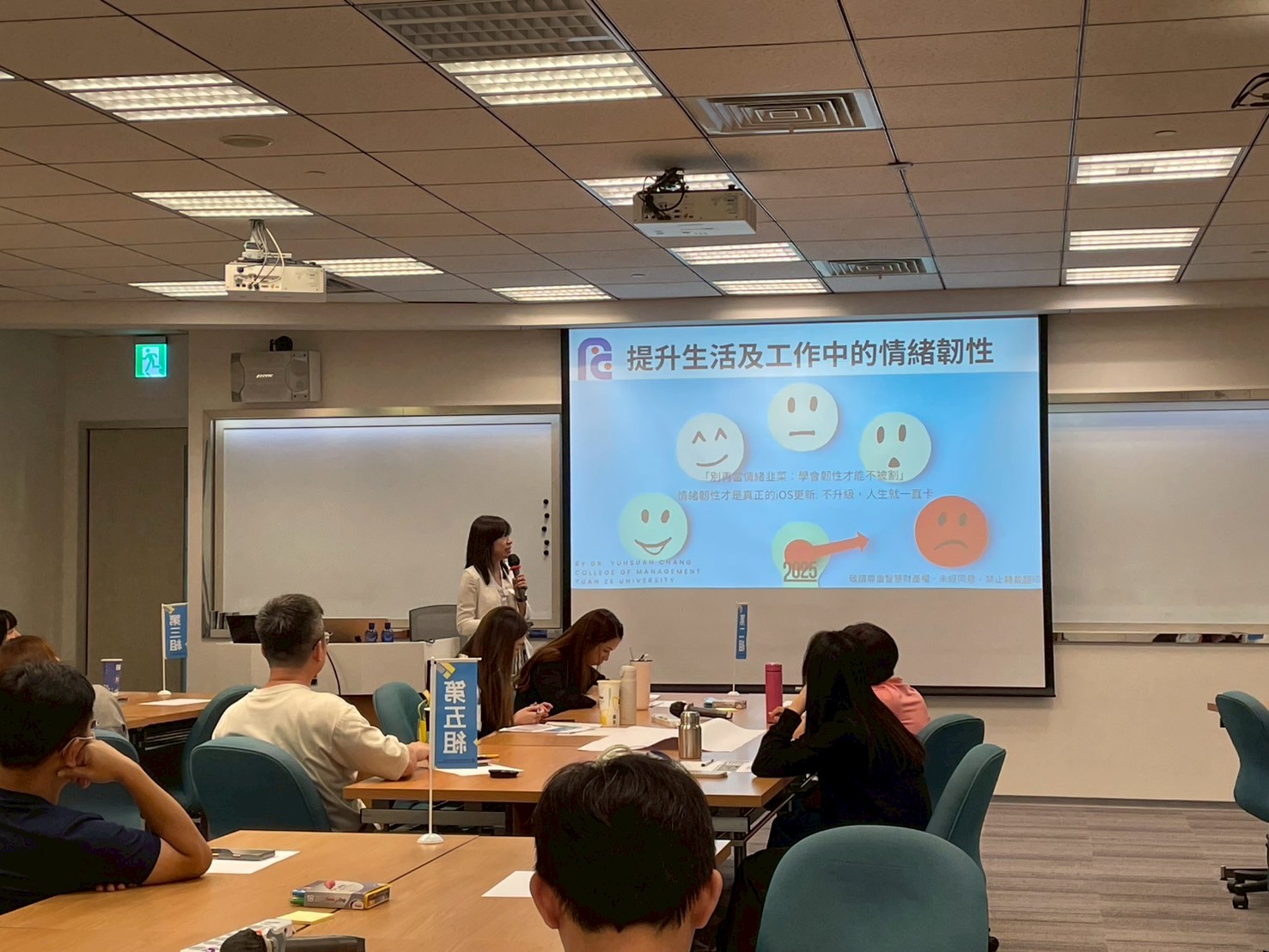
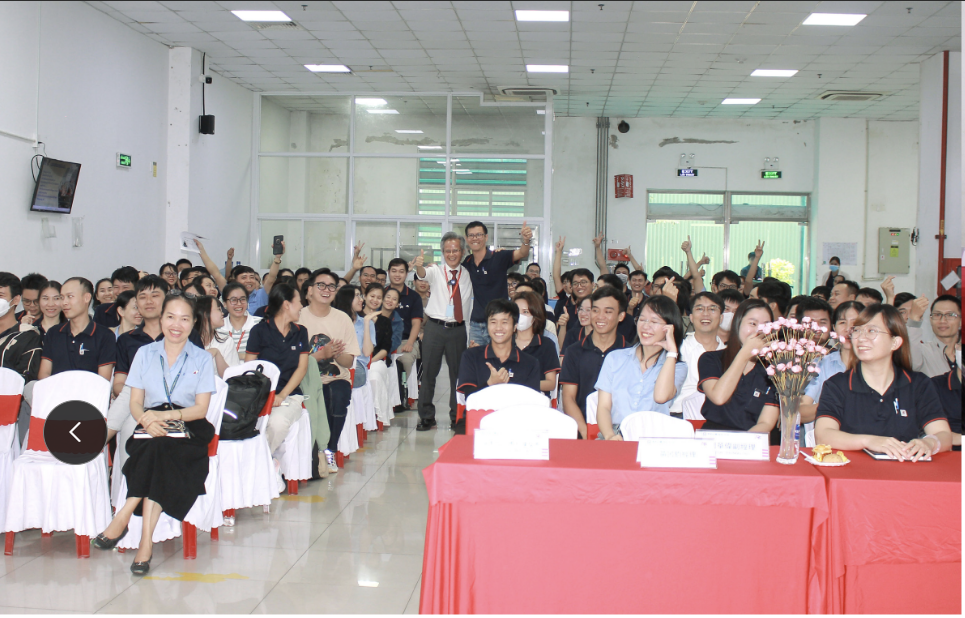
2025 Health Lectures at FENC Sites
Theme | Production Site | Topic | Focus |
Nutrition and Weight Control | Hsinpu Chemical Fiber Plant | Dietary health | A collaboration with the beverage brand, Pocari Sweat, the lecture gave an overview of metabolic syndrome and dietary improvement with ways of enhancing gut health through dietary fiber. A total of 29 employees attended the course. |
OPTC | Nutrition (snack) and aerobic exercise | The lecture and exercise improved employees’ knowledge of nutrition and cardiopulmonary capacity. A total of 59 employees attended the course. | |
| Nutrition (meal box) and strength training | The course and training helped employees make healthier dietary choices and develop muscle endurance. A total of 55 employees attended the course. | ||
| Nutrition (convenience store food) and yoga | Employees learned to make healthy choices while selecting products from convenience stores and relax and stretch through yoga. | ||
Kuanyin Dyeing and Finishing Plant | Weight loss, dietary education and aerobic endurance training | Combining diet and exercise, the course aimed to help weight loss program members lose weight healthily. A total of 24 employees attended the course. | |
Mental Health | FENC | Developing mental strength: enhancing psychological resilience | A total of 48 employees attended the course. |
| Enhancing emotional resilience in life and at work with emotional management | A total of 53 employees attended the course. | ||
FEPV | Workplace stress management | A total of 178 employees attended the course. | |
| Emotional intelligence, self-awareness and self-mastery | A total of 203 employees attended the course. | ||
Disease Prevention and Mitigation | Hsinpu Chemical Fiber Plant and Kuanyin Chemical Fiber Plant | Musculoskeletal stretch and stress relief | This was a collaborative program with the Taoyuan General Hospital. The courses were conducted at the plants and taught by physical therapists as well as Gyrokinesis and yoga instructors, covering topics such as the importance of correct postures, muscle strength training, ergonomic hazard prevention, musculoskeletal relaxation techniques and stress relief. A total of 92 employees attended the courses. |
OGM | Gyrokinesis stress-relieving exercises | Employees learned musculoskeletal relaxation techniques during the session. A total of five employees attended the course. | |
Hsinpu Chemical Fiber Plant, Kuanyin Chemical Fiber Plant and OGM | Dementia prevention | Employees were trained to identify possible signs of dementia and on prevention approaches. A total of 30 employees attended the courses. |
2. Health Management for Special Hazardous Operation
To control occupational diseases, FENC production sites established the following control measures targeting hazardous operations:
Health Check and Tiered Health Management for Special Hazardous Operation
Health Check Items | Number of People Being Assessed | Tier 1 Management | Tier 2 Management | Tier 3 Management | Tier 4 Management | |||||
Male | Female | Male | Female | Male | Female | Male | Female | Male | Female | |
Noise | 340 | 39 | 174 | 8 | 140 | 26 | 16 | 5 | 10 | 0 |
High Temperature | 65 | 0 | 35 | 0 | 29 | 0 | 1 | 0 | 0 | 0 |
Dust | 225 | 3 | 190 | 3 | 35 | 0 | 0 | 0 | 0 | 0 |
Ionizing Radiation | 22 | 1 | 12 | 1 | 10 | 0 | 0 | 0 | 0 | 0 |
| Organic Solvents and Specialty Chemicals | 37 | 10 | 31 | 8 | 6 | 2 | 0 | 0 | 0 | 0 |
Tiered health management is offered to employees based on their conditions. Tier one involves the provision of health information as references. At tier two, the doctors specify tasks unsuitable for certain health conditions in addition to providing the health information. For tiers three and four, employees’ duties and tasks are selected to match their health conditions. The Company conducts site visits to evaluate operational risks and make improvement accordingly. Additional health-related measures include providing adequate PPE and requiring workers to wear PPE properly; labeling restricted zones with entry for authorized operators only; conducting hazard exposure at the operating environment semi-annually and reducing worker exposure; requiring workers to wear radiation dosimeters during radiation operation; installing local exhaust at the testing area; establishing health protection plans for operators with regular health checks for special hazardous operation with tiered management.
At production sites in mainland China, employees susceptible to occupational diseases undergo annual health checks targeting specific occupational hazards with reexamination and follow-ups, where on- and off-the-job health checks are conducted to prevent occupational diseases and ensure labor rights.
3. Health Care
FENC operation sites in Taiwan employ occupational health professionals in accordance with the regulatory requirement and have full-time nurses on staff to provide healthcare services to all employees. In addition to providing health promotion activities, health checkups and anomaly management, FENC is also committed to implementing the four major labor health programs to enhance employee health. The Company provides on-site health services through partnerships with its affiliate, Far Eastern Memorial Hospital (FEMH), or contracted occupational medical specialists. Safeguarding employee health is FENC’s responsibility. Therefore, the Company provides a comprehensive range of health services and outreach programs to care for all aspects of employee health.
At OTIZ, resident physicians and nurses provide on-site primary care and consultation for employees at the infirmary during working hours. An occupational health profile is established for each employee to ensure holistic care.
FEIS set up an infirmary in 2024 with health professionals on site every Tuesday and Thursday afternoon to offer services such as consultation and blood pressure tests. The plant also has a good relationship with the nearby community hospital. Once every two months, a general practitioner visits FEIS and provides medical services.
APG Polytech has a full-time nurse on staff to treat injuries and other health issues. The service is available to any employee who seeks medical advice or assistance.
4. Four Major Health Programs and Health Protection for Middle-Aged and Elderly Employees
Production sites in Taiwan have developed worker-centric health services in line with the governmental labor care policies and structural shifts in the global labor market. While reinforcing the prevention of occupational injuries and diseases, the Company also implements various health promotion campaigns to improve employees’ self-management and health awareness, offering comprehensive mental health support and urging employees to take proactive steps towards improving mental health. FENC encourages employees to form exercise groups and provides lunch boxes that offer balanced nutrition to help employees maintain health.
• Four Major Health Programs
FENC production sites in Taiwan have been promoting four major health promotion programs aimed to protect employees’ mental and physical health, including the ergonomic hazard prevention program covering musculoskeletal disorders caused by repetitive movements; prevention program for diseases induced by overwork; maternity health protection program; workplace violence prevention program.
FENC production sites in mainland China attach great importance to maternal protection. To care for female employees, those who are nursing may enjoy a one-hour breastfeeding break each day. FEIS and FEDZ provide lactation rooms for female employees who are pregnant or breastfeeding, giving them a private space to rest in comfort and safety while enhancing the sense of workplace happiness.
Statistics on Hazard Identification and Risk Assessment With Action Plan
Category | Number of Individuals Undergoing Hazard Identification and Risk Assessment | Without Hazards | With Potential Hazards | With Hazards | ||||
Male | Female | Male | Female | Male | Female | Male | Female | |
Maternity Protection | - | 33 | - | 33 | - | 0 | - | 0 |
| Action plan: Pregnant employees or those returning to work one year after giving birth receive a preliminary assessment form for workplace hazards during and after pregnancy and an employee health self-assessment form. The aim is to evaluate how maternal health is impacted at work. In 2025, a total of 33 female employees participated in the maternity protection program, where healthcare professionals assessed and confirmed associated risks and hazards, and provided health education and information. | ||||||||
Workplace Violence | 1,756 | 344 | 1,739 | 342 | 17 | 2 | 0 | 0 |
| Action plan: FENC has announced the Declaration on the Prevention of Workplace Violence to all employees, and the prevention of workplace violence has been included as part of the employee training. FENC minimizes workplace violence at or outside the work environment by designating safety areas, assigning adequate staff and providing assistance such as stress relief guide and counseling services. In addition, labor and management representatives have established a Workplace Violence Grievance Investigation Team to investigate incidents of workplace violence. | ||||||||
Overwork | 2,200 | 426 | 2,078 | 415 | 106 | 11 | 16 | 0 |
| Action plan: In 2025, a total of 16 male employees were identified as being high-risk; 106 were identified as having low to medium risks, 117 of whom were male and 11 were female. The high-risk employees met with the physicians on site for follow-up interviews and received health guidance, while the low-to-medium-risk employees received emails containing personalized health information, consultation and recommendation with follow-up tracking. FENC also launched the Employee Assistance Programs (EAPs) during the reporting year to provide diversified channels for mental health counseling, including government resources, contracted clinics and FEMH, the FENC affiliate, which offers discounts to FENC employees. | ||||||||
Musculoskeletal Disorders Caused by Repetitive Movements | 2,359 | 424 | 2,288 | 418 | 71 | 6 | 0 | 0 |
| Action plan: The self-assessment form for musculoskeletal disorders was distributed among employees, there were no employees found to be under the influence of ergonomic hazards in 2025. FENC assessed their work activities, confirmed the risk factors through assessment tools, determined appropriate improvement measures and arranged for follow-ups and tracking. A total of 77 employees were identified as potentially being influenced by ergonomic hazardsThose who required medical attention were referred to occupational physicians for medical treatment and consultation. FENC also provided health guidance and inspected the workplace to clarify and evaluate the connection between their illnesses and job duties. After their health conditions were assessed by the physician, the employees received individual consultation, recommendation and follow-up care to track their improvement. | ||||||||
• Health Protection for Middle-Aged and Elderly Workers
As the world embraces an aging workforce, it is vital to ensure occupational safety and health among the middle aged and elderly workers. At FENC, employees from this age cohort undergo tailored health risk assessments. Based on the results, occupational health professionals implement health management programs with regular work ability assessments and provide recommendations such as changing work locations and duties as well as reducing working hours or workload. FENC also offers measures that promote work-life balance through health promotion activities.
Many of the employees of FIGP’s contractors are over the age of 60. Thus, particular attention is paid to the prevention of severe heat strokes through the following measures:
- Rules regarding the measurement of the wet-bulb globe temperature and work time adjustments are posted before operations, and compliance is required.
- Cold water and oral rehydration solutions are provided at the rest break area and employees are required to replenish water and salt as needed.
- An air-conditioned rest break area is provided.
- Employees are required to wear air-conditioned clothing and cooling vests.
In addition, senior forklift operators may experience declining motor skills and vision. Thus, training is conducted regularly to provide support and reinforcement. Workplace lighting is also tested periodically and improved as needed to ensure proper working conditions.
5. Healthy and Sustainable Canteen
FENC has a deep appreciation for the vitalness of food to employees’ physical and mental health. Among its production sites, 85% have canteens dedicated for employees or provide catering services. The rest do not offer such arrangements due to space constraints or lower employee counts. The Company is committed to providing food that is clean and nutritious with great varieties, giving employees a dining experience that is safe and comfortable. Qualified vendors are selected, and the Canteen Committee is also involved in meal and menu planning, making sure the food is prepared with low oil, salt and sugar. Diverse groups are also taken care of with alternatives such as vegetarian options. To ensure food safety management, all canteens undergo regular and unannounced health inspections. Strict standards apply throughout the entire process, from ingredient traceability, acceptance to food preparation, guaranteeing the safety and security of every bite.
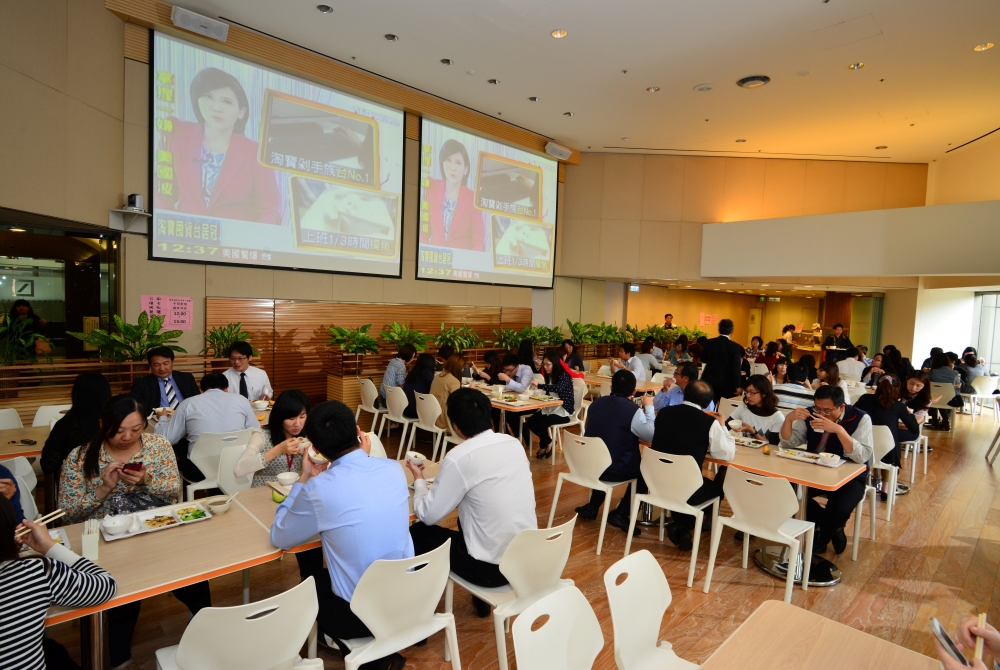
Additionally, FENC advocates sustainability by choosing local ingredients first, which also reduces carbon footprints. Disposable utensils are no longer provided, and staff are encouraged to prepare their own. Since 2024, the Corporate Management has been promoting a food waste reduction program, where employees may donate meal boxes they had paid for to other employees through the meal-ordering system. As of the end of 2025, the program had kept 1,867 meal boxes from going to waste. These considerate arrangements have satisfied employees’ stomachs and more importantly, cared for their health, replenishing their energy through tasty meals amid work responsibilities.
The Canteen Committee conducts regular employee satisfaction surveys, primarily evaluating aspects such as portion size, variety of dishes, taste and quality. The results are positive overall. Dissatisfactions are also reviewed and addressed.
6. Health Program
• Flu Vaccination Campaign
FENC production sites in Taiwan encourage employees to receive flu vaccines. Some pay for the full expenses and arrange for healthcare professionals to administer the vaccines during working hours on site, offering employees convenience and protection against the flu.
Statistics on Flu Vaccination
Production Site | Number of Employee Vaccinated (Company Funded) | Number of Employee Vaccinated (Government Funded) | Vaccination Rate |
| Hsinpu Chemical Fiber Plant | 659 | 92 | 54% |
| Kuanyin Chemical Fiber Plant | 249 | 38 | 51% |
| OGM | 106 | 34 | 63% |
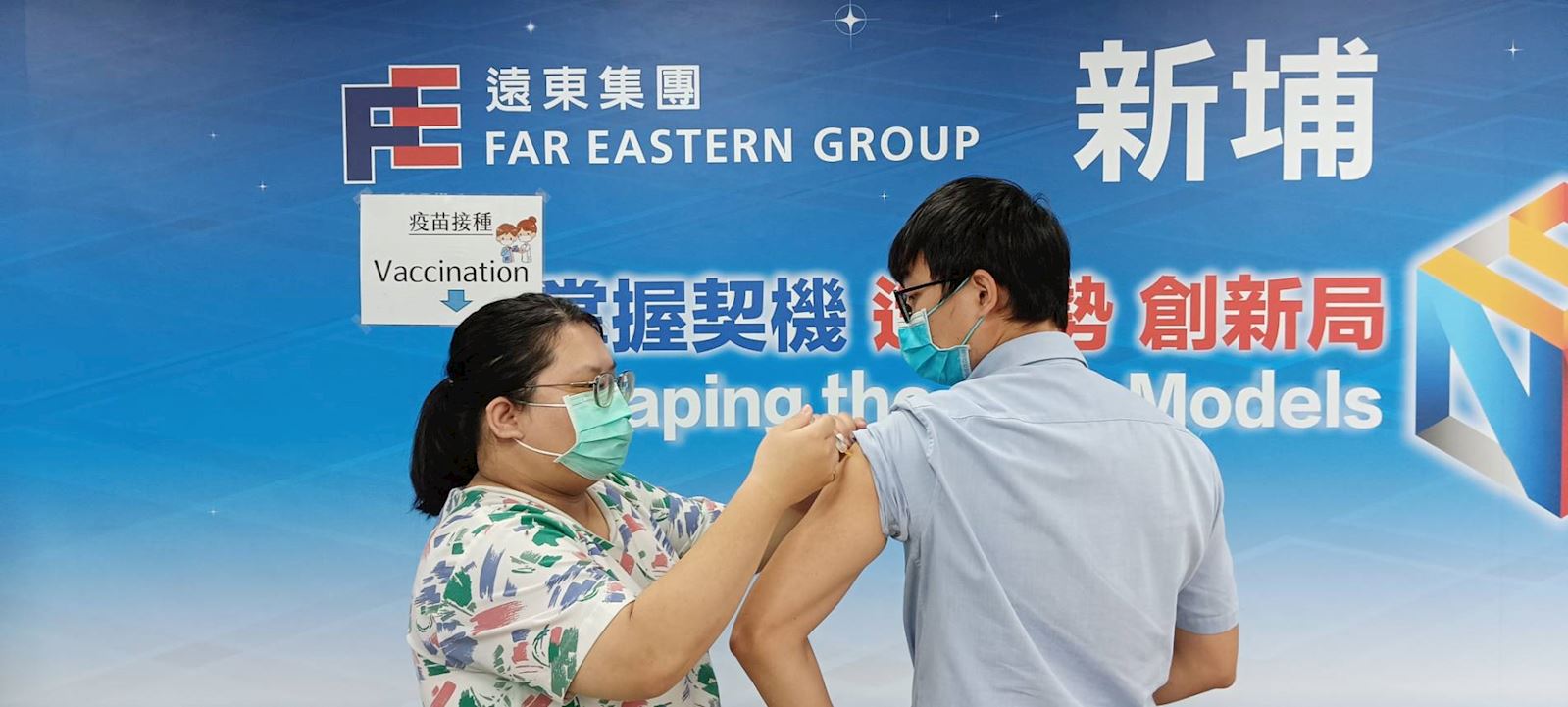
• Healthcare for Employees and Their Families
To protect the health of its employees and their families, FEAV launched a vaccination campaign in collaboration with the Vietnam Vaccine Company (VNVC) to protect employees and their loved ones from seasonal flu. For each participant, FEAV provided one free dose of vaccine made by a French pharmaceutical company. From November 2024 to the end of June 2025, 1,756 employees and their family members had been vaccinated.
.png)
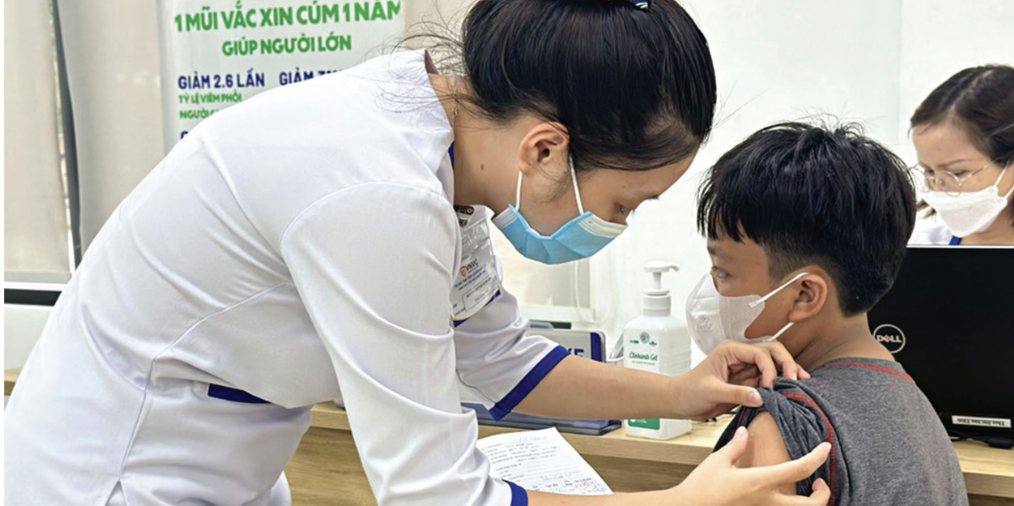
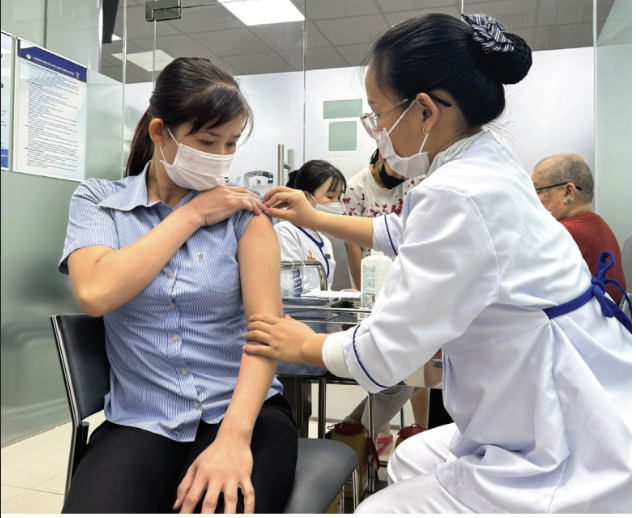
On March 14 and 15, 2025, FEIW teamed up with the community health center and provided a free cancer screening program. A one-stop service station was set up for the screening of cervical and breast cancer, hoping to protect employees through prevention and help them with early treatment, which also safeguards FEIW’s talent and health capital. A total of 65 employees took advantage of the screening service, representing 50% of its workforce. After the screening, employees received their own health profiles, and those requiring follow-ups were given priority access through the community health center’s “green passage.” The responses towards this program have been positive, as one employee expressed, “Swamped by work and family, I kept postponing my own health checkup. FEIW had made it so convenient by providing the screening service at work! This thoughtful gesture makes working here feel nurturing.” Another remarked, “The kindness I have felt is energizing me at work!”