



Diversity and Inclusion
Diversity, Equity, and Inclusion Policy Statement
Our company is a multinational corporation with operations spanning across Taiwan, mainland China, Vietnam, Japan, the United States, and beyond, encompassing a diverse workforce of varying cultural backgrounds, ethnicities, ages, and genders. Recognizing this diversity, we are committed to fostering an inclusive and equitable work environment, integrating diversity and inclusion into our corporate culture.We value the diversity of each individual employee and respect their unique backgrounds and perspectives. We firmly believe that the richness of different cultures and backgrounds can bring about innovation and growth, thus we are dedicated to establishing a workplace that is respectful, equitable, and inclusive.
To achieve this goal, we regularly organize various cultural exchange activities to encourage employees to share their cultures and values. Additionally, we provide education and training programs to help employees better understand and respect colleagues from different races, genders, ages, and cultural backgrounds, advocating for mutual support and collaboration to foster a harmonious and cohesive work environment. We firmly believe that by promoting diversity and inclusion, we can unleash the creativity and vitality of our team, driving continuous growth and success for our company. Therefore, we are committed to upholding our diversity, equity, and inclusion policy and will continue to strive towards creating a fair, open, and dynamic workplace for all.
FENC has a total of 19,533 employees worldwide, among whom, 57 are with physical or mental disabilities and 1,544 are ethnic minorities. As an advocate of localizing employment opportunities and human resources management across its global production and operation sites, its employees comprise mainly local residents. At FENC sites in Vietnam, 64% of the management personnel are Vietnamese nationals. The number of native managers jumps to 91% in mainland China and Japan, and 100% in the U.S.
↪More information:Employee Nationality Composition
Gender Equality
FENC strives to create a gender-friendly workplace and system. While the conglomerate spans across industries from the upstream to downstream, the up- and midstream industries rely more on chemical-related expertise where a higher concentration of the workforce is male. The downstream, which falls within the textile industry, is composed of a higher percentage of female employees. Overall, the number of female supervisors is approaching 50% of that of male supervisors, which is consistent with the industry chain distribution, and the number of female supervisors grew by 28% in the last five years. The statistics reflect the Company’s acknowledgment and fair treatment of female supervisors for their hard work and its determination to incorporate gender equality as part of its organizational culture. Each year, FENC measures its average annual regular salary of the company against the official statistics of average annual regular salary. In 2025, the average annual regular salary of the company offered by FENC is 29% higher than the local average. Average regular earnings for female employees, especially, averaged 35% higher than the local numbers, while those for male employees are 24% higher, which demonstrates FENC’s contribution to pay equity. For regional data, please refer to Employee Care.
The 2025 statistics indicated that female employees represented 52% of FENC’s workforce. The percentage of female managers reached 33% with 20% being senior female executives, while the short-term targets are 35% female managers and 21% senior female executives.
↪More information:Statistics on Female Employees
The results of the gender pay gap study for FENC sites across the globe correspond to the diverse industry and cultural characteristics in different regions. In Taiwan, employee salaries are based on education, experience and performance with no gender-based differences for management-level positions. In Vietnam, differences in pay are influenced by actual duties and job allocation. Labor-intensive positions are typically given to male employees, resulting in a higher average salary for male than for female employees. FENC production sites in mainland China, Japan and the U.S. are predominately in the chemical sector, where a higher number of male technicians and engineers are employed, hence receiving higher remuneration. In Japan, salaries for female employees are slightly higher than those for their male counterparts, which is attributed to a large number of female administrative employees working regular business hours. The differences in the gender composition across FENC’s industry chain are consistent with the industry-specific gender patterns, hence influencing the salary level. However, FENC adheres to equal remuneration and offers salaries based on employees’ skill sets. These results reflect the fairness of FENC’s performance appraisal mechanism.
↪More information:Salary Ratio by Gender, Gender Pay Indicators
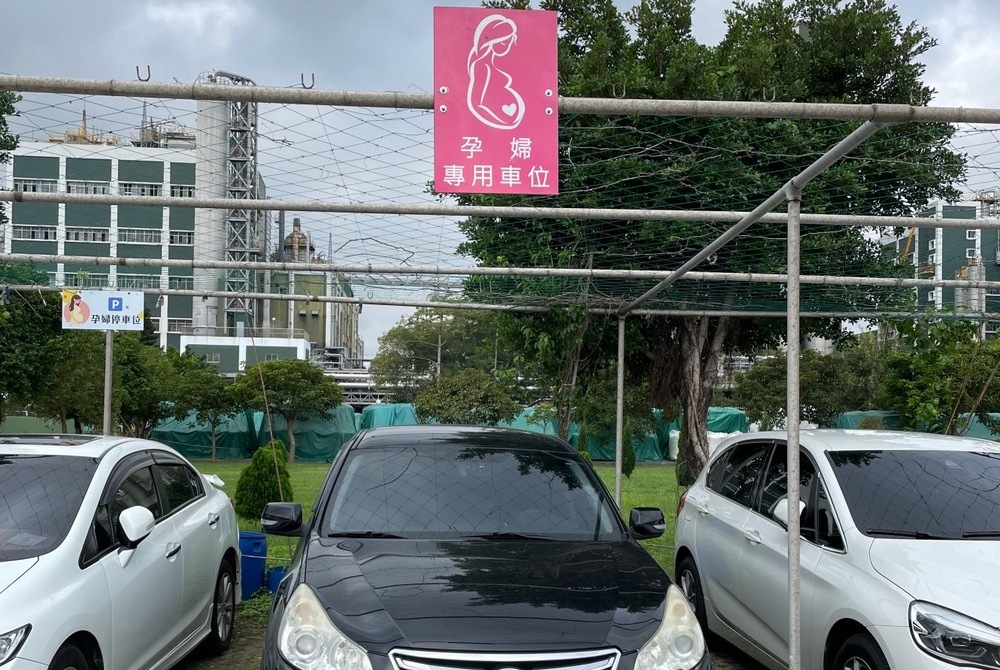
Gender equality and applicable regulatory mandates are respected at all FENC business sites. We are consistent with the spirit of the Act of Gender Equality in Employment in Taiwan as well as Regulations Concerning the Labor Protection of Female Staff and Workers in mainland China. We protect the rights of female employees, offering parental leave and breastfeeding rooms at our facilities. We also limit overtime and prohibit tasks that may potentially harm mothers and their babies. Employees returning after maternity leave receive equal pay for equal work. We provide workplace environment ideal for pregnant employees, such as avoiding tasks that might affect their health and using specially designed chairs to reduce discomfort at work. Female employees in Vietnam who are 7-month pregnant may reduce working time by 1 hour per day while receiving full pay. They are also entitled to 5 days off for prenatal checkups and 6-month maternity leave.
FENC has established measures to prevent, control and reprimand sexual harassment and provided channels for filing grievances. Employees may file such grievance claims through departmental supervisors or Human Resources Department. The unit receiving the claim shall establish a team within 5 days of receiving the claim with over 50% female members to initiate the investigation. The investigation shall conclude within 2 months and all information shall be kept confidential. The individual against which the claim is filed shall have the opportunity for rebuttal. We also conduct regular training for the entire staff to prevent any occurrence of sexual harassment.
The Company has robust deputy and family care leave system and has built a family-friendly workplace that helps employees achieve work-life balance.
↪More information:Application of Parental Leave and Returning Statistics in Taiwan
Cross-National Maternity and Family Support Policies
Taiwan | Mainland China | Vietnam | |
Paid Maternity Leave |
|
|
|
Paid Maternity Checkup Leave |
|
|
|
Paid Spouse Maternity Leave |
|
|
|
Flexible Working Hours | 1 hour per day | 1 hour per day | 1 hour per day |
Japan | Malaysia | U.S. | |
Paid Maternity Leave |
|
|
|
Paid Maternity Checkup Leave |
| - | |
Paid Spouse Maternity Leave |
|
| |
Flexible Working Hours | 1 hour per day | - | 1 hour per day |
| Note: FMLA stands for the U.S. Family and Medical Leave Act. |
Middle-aged and Elderly Employee Care
FENC is approaching middle-aged and elderly employee care in a way that reflects its unique corporate characteristics and practices. With a workforce that averages 44 years of age and 14 years in service, 45% of FENC’s employees are considered middle-aged or elderly, referring to employees over 45 years old. Therefore, FENC is creating an inclusive workplace that fosters multi-generational collaboration and where employees with diversity in ages, backgrounds and professional expertise may work and thrive together.
The executive management at FENC has publicly pledged to fight age discrimination, and taken action to keep employees safe from such discrimination during recruitment, employment, training and retention. As early as 1989, employees at FENC had formed a corporate union. The Company has also set up entities such as the Employee Pension Committee and labor-management meetings with rules and regulations to support and protect the rights of middle-aged and elderly employees.
Meanwhile, FENC believes in helping employees strike a balance between work and family life, and offers recreational programs designed for middle-aged and elderly employees, such as calligraphy, fitness and strength training classes. Another focus is health, which is promoted through regular checkups, lectures, government-funded vaccinations, in-house clinics and weight loss programs, as well as stress relief courses available on the Company’s digital platform. Through these efforts, FENC is protecting employees’ physical and mental well-being..
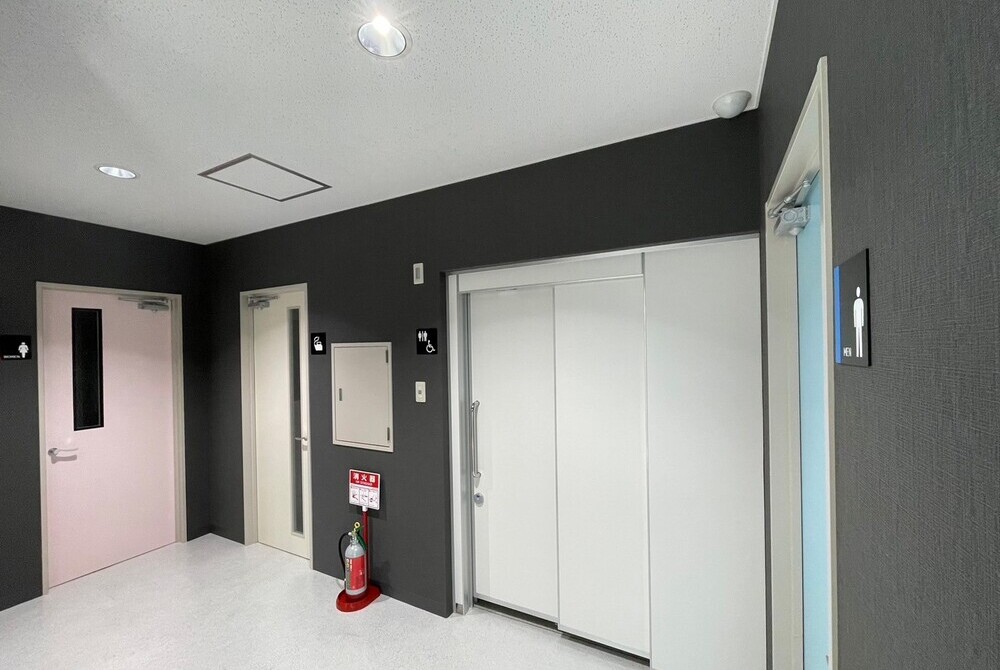
At FENC, middle-aged and elderly employees are able to maximize their skills, which is accomplished through the Company’s consistent efforts to improve efficiency and comfort by refining equipment and processes, and to enhance safety and convenience by incorporating digital technologies and barrier-free facilities. These initiatives represent FENC’s support for its employees, and more importantly, the determination to promote workplace diversity and inclusion.