



Talent Development
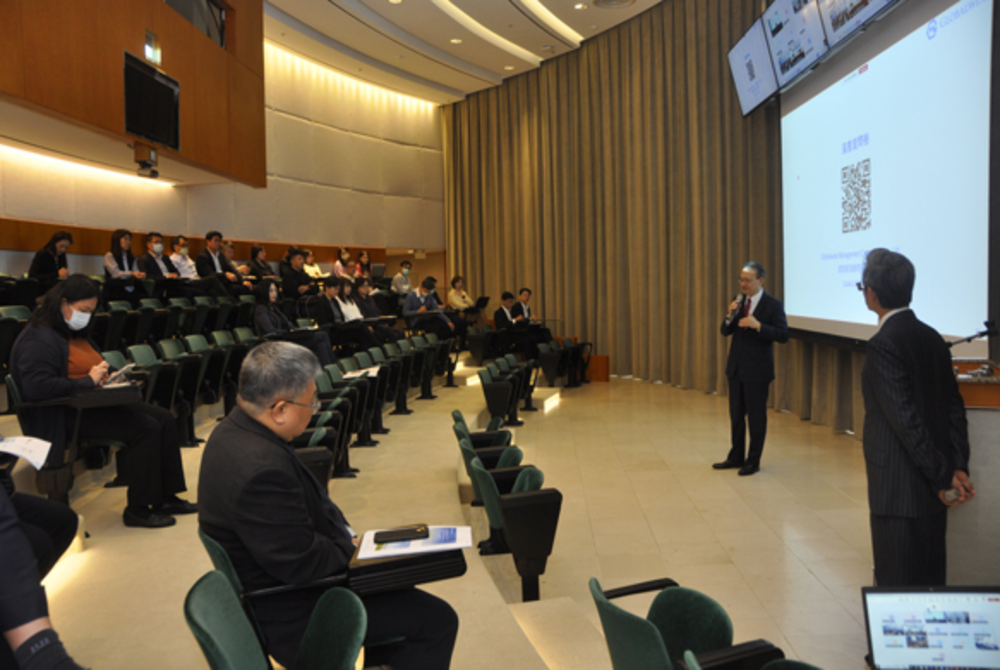
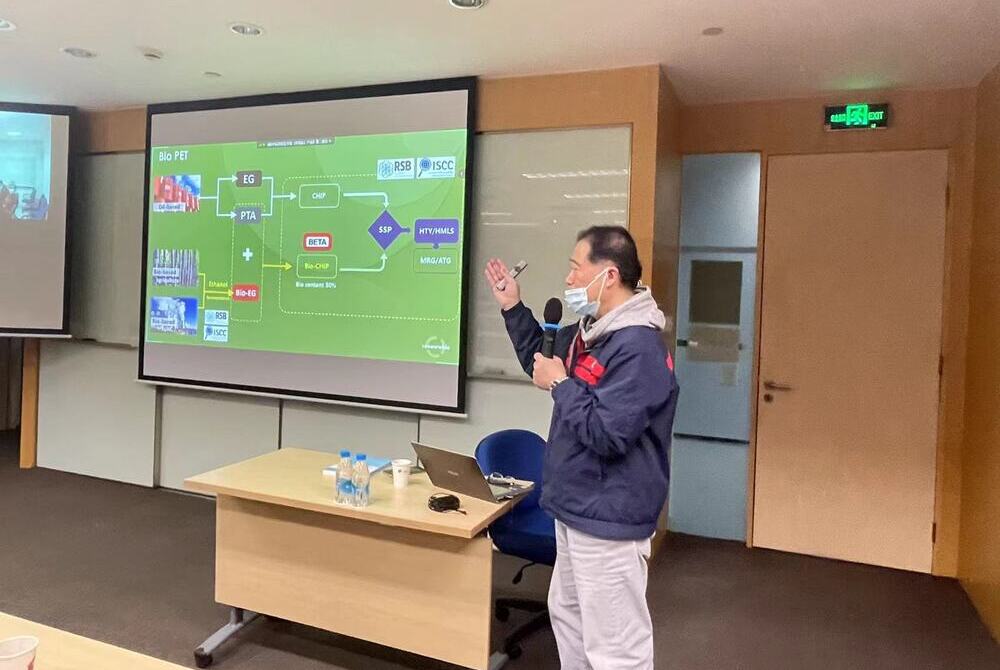
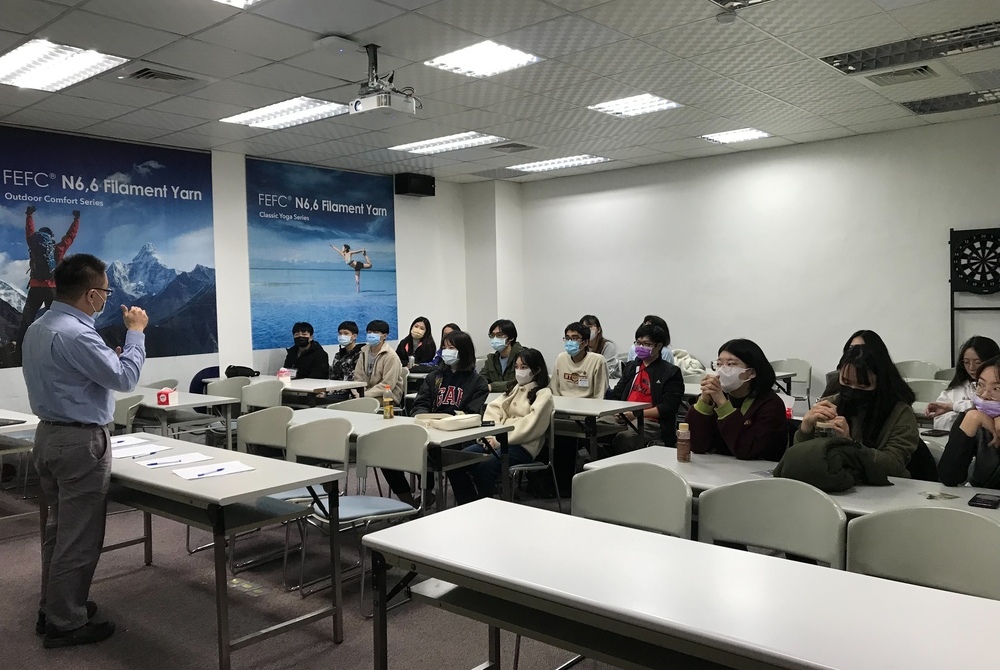
In the spirit of sustainable development, we value talent development and provide comprehensive training to foster professional competency at all stages.
Fostering Employee Career Planning
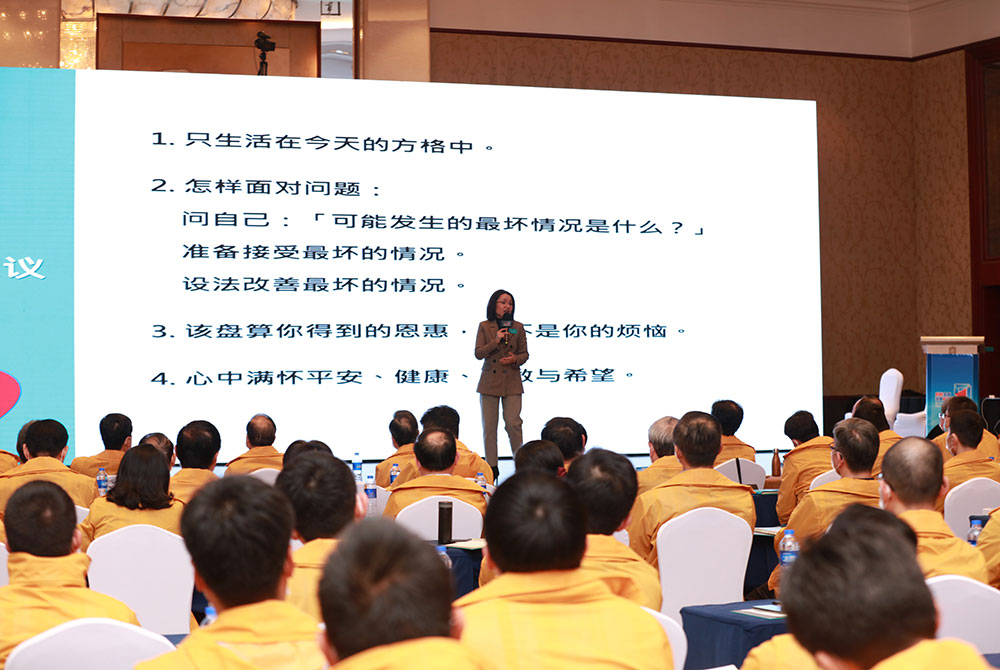
At FENC, employees’ career development and skills enhancement are driven by an employee-centric philosophy. With the aim of building a learning organization, efforts are devoted to creating a sustainable digital learning ecosystem by integrating a broad range of internal and external learning resources. Career development paths are aligned with corporate strategies and talent needs, which zoom in on management and professional skills to help employees progress through career stages. Meanwhile, FENC provides systematic training and talent development mechanisms to incubate international talent and develop succession plans at all levels to ensure corporate and talent sustainability for the long haul. The entire FENC staff underwent a total of 524,340 hours of training in 2025.
Global Human Capital Development
Annual Average Training Cost per Person
Unit: NT$ thousand / person
Types | Items | 2022 | 2023 | 2024 | 2025 |
All Employees | 1.31 | 1.62 | 1.58 | 1.22 | |
By Region | Taiwan | 4.18 | 5.35 | 2.77 | 2.20 |
Mainland China | 0.59 | 0.34 | 1.37 | 0.45 | |
Vietnam | 0.08 | 0.11 | 0.40 | 0.27 | |
Japan | 5.19 | 4.22 | 0.82 | 2.25 | |
U.S. | 1.12 | 1.38 | 53.26 | 61.95 | |
By Type | Management | 0.49 | 0.79 | 0.46 | 0.17 |
On the Job Training | 0.82 | 0.83 | 1.12 | 1.05 | |
By Ranking | Section Chief and Above | - | - | 8.99 | 5.17 |
Rank-and-file Employee | - | - | 1.47 | 1.30 | |
Factory Worker | - | - | 0.67 | 0.65 | |
Migrant Workers | - | - | 0.58 | 0.90 | |
By Gender | Male | - | - | 2.33 | 1.97 |
Female | - | - | 0.85 | 0.52 | |
By Age | Under 30 | - | - | 0.84 | 0.63 |
31-50 | - | - | 1.60 | 1.18 | |
Over 51 | - | - | 4.36 | 3.98 | |
| Note: 1. The statistical data includes both permanent and temporary employees. 2. Beginning in 2024, statistical data was expanded to include ranking, gender, and age. |
↪More information:Average Number of Training Hours of Ranking and Gender, Average Number of Training Hours and Days
Training Program Tailored for Career Development
FENC has established a three-tier training framework based on employees’ career stages. Divided into new hire, specialized and management training, the framework provides support at each stage to develop the skills and capabilities employees need, minimize uncertainties as they transition and grow and reinforce the talent pipeline and succession readiness across the Company.
- New Hire Training: Supporting Integration and Establishing Career Foundation
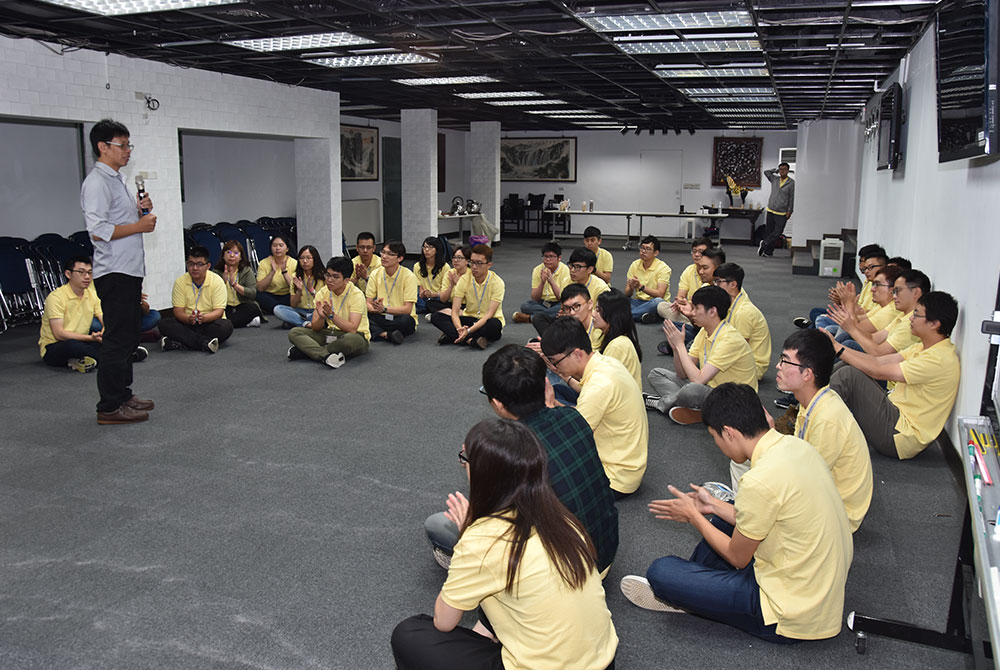
FENC assigns mentors in each department to help new hires get acquainted with their duties and team operations. Diverse learning resources are also available for self-education. In addition, orientation camps and mandatory general training are offered to guide the new hires through the corporate culture and key rules and regulations, helping them expand networks across different departments and building a strong foundation for collaboration and future development. - Specialized Training: Strengthening Professional Competence and Compliance Literacy
Employees undergo specialized training customized to suit their positions with a regulatory emphasis on occupational safety and health as well as human rights, equipping them with the professional competence and compliance awareness necessary to fulfill their roles, create a safe and healthy workplace and ensure regulatory compliance. In addition, to support employees in further developing their professional capabilities and pursuing degree programs or new professional certifications, FENC provides various forms of learning and financial support, including tuition subsidies for degree and credit programs, subsidies for professional certification training and examination fees, as well as support for external development programs and language proficiency examinations.
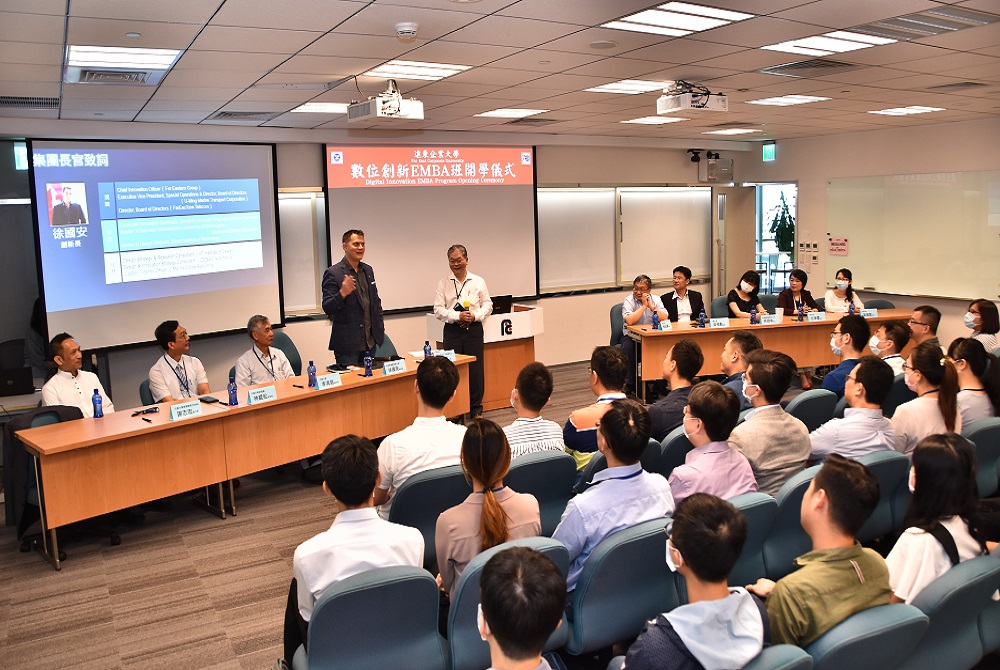
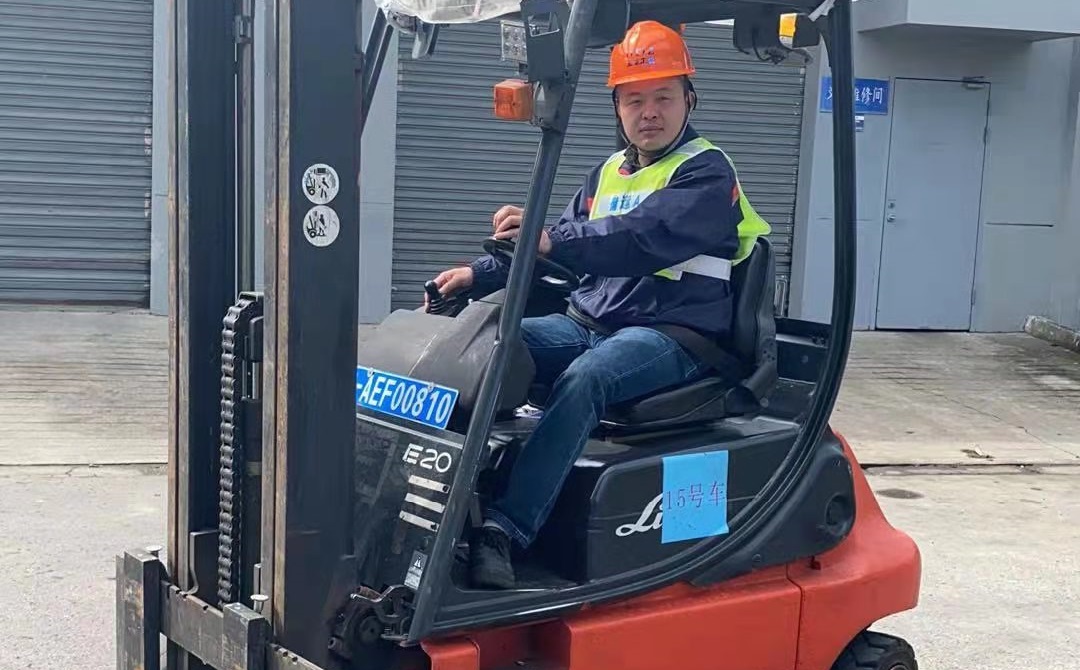
FENC provides 100% tuition sponsorship for the FENC Corporate University master’s degree and credit programs. For professional certifications and retraining in areas such as occupational safety and health, forklift operation, and fire safety, the Company also provides full subsidies for registration and training fees, together with paid training leave or official leave where applicable. Through these degree, certification, and external learning support measures, FENC continues to strengthen employees’ professional capabilities and career development. - Management Training: Preparing for Transition and Succession
As employees advance to the management level, the managerial training kicks in to help them hone key leadership and managerial capabilities to transition to their new roles. Based on the need of organizational development, FENC puts the leadership pipeline and succession planning in place to improve the availability of the talent pool and enhance organizational resilience.
With this career-oriented talent development system, FENC continues fostering employees’ professional maturity while arming the succession team with preparedness and readiness, supporting organizational competitiveness and sustainable development through long-term, systematic approaches.。
2025 Training and Attendance
.png)
↪More information:Training Categories and Attendance
Succession Planning
In an era of growing uncertainty from shifting global market and geopolitical landscape; an era of mounting challenges from an aging population and the management of a multi-generational workforce, the urgency of ensuring seamless succession for key positions and developing leadership talent with global vision is more present than ever.
To develop robust talent pipelines for key positions at all levels, FENC launched a talent assessment program in 2023. Using standardized and consistent assessment tools, the program identifies high-potential talent through systematic approaches and establishes phased talent development plans and training paths tailored to organizational strategies and talent needs.
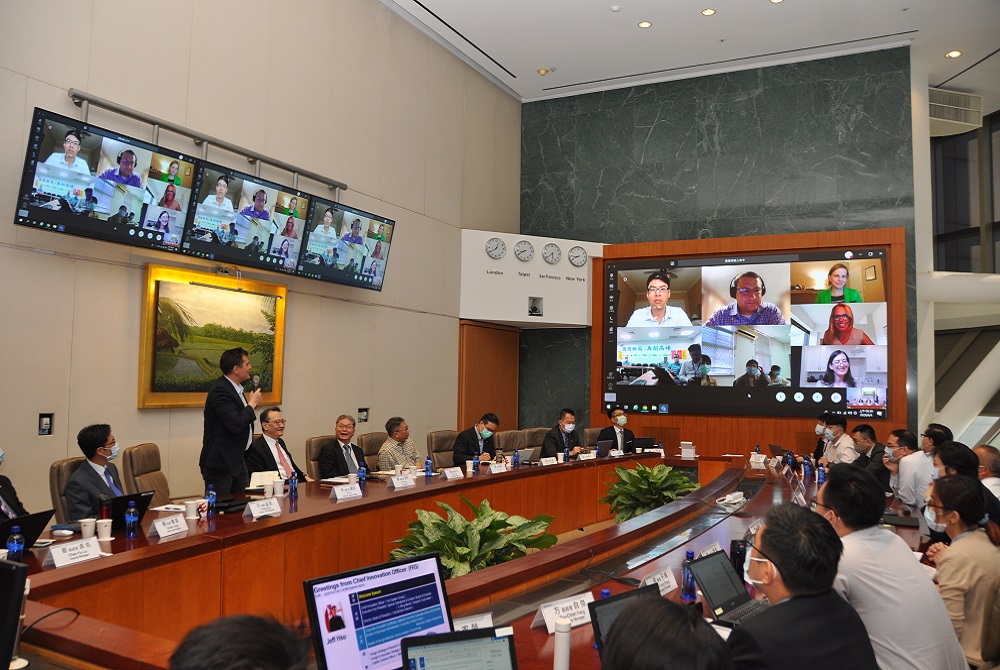
To develop talent, FENC is implementing leadership development programs to enhance the professional and management capabilities of key talent, supporting employees’ transition to different roles and helping them acquire the capabilities suitable for each career stage. As part of FENC’s company-wide training system, training resources are available to all employees and are tailored to different career stages and development needs. In 2025, the overall employee training coverage rate reached 100%, while management level employees received an average of 48.70 training hours, further strengthening the readiness of the management talent pool and succession pipeline. With a management framework that progresses through talent assessments; training and development; succession team, FENC continues enhancing its talent pool and leadership pipelines for international management, facilitating stable transition for key positions to lead FENC’s global operation and achieve talent sustainability.
.png)
Optimizing Digital Learning Programs and Experience
FENC established an academy-style learning system on its digital learning platform in 2024, providing a wide array of courses for advancing professional competency and capabilities, and employees may make their selections based on individual development goals. The Company also issues an electronic monthly report with integrated content selected from internal and external learning resources, offering course highlights and study suggestions to motivate self-education among employees.
The digital learning hours across FENC’s global locations rose by 20%, and the number of sessions offered jumped by 47%, which reflect the effectiveness of the digital learning model in expanding training coverage and employee participation. It is also an essential element for FENC to refine employees’ career development paths while attaining talent cultivation and corporate sustainability.
To boost learning efficiency and user experience at FENC’s worldwide locations, the digital learning platform underwent an upgrade. It integrates diverse digital learning resources such as mobile learning applications, Hahow for Business and cloud libraries, supports interfaces in Traditional and Simplified Chinese as well as English, and offers employees flexible and convenient learning schedules, achieving self-education anytime and anywhere.
In the meantime, FENC is embracing sustainability during the training through action, reducing the consumption of paper and other office supplies by implementing paperless handouts, electronic sign-in and online satisfaction surveys for the in-person training sessions. FENC is also aggressively promoting hybrid learning, designing multiple learning modules that combine online and offline resources with scheduling flexibility to help employees strike a balance between learning and working, master critical knowledge and skills and get ready to tackle the challenges in a capricious business world.
Academy-style Learning System
.png)
1.AI Academy: Accelerating AI Application and Supporting Smart Transformation Through a Systematic Learning Map
To sustain the momentum of developing digital talent, support smart transformation and accelerate AI application, FENC created a comprehensive curriculum map through the AI Academy, establishing a progressive capacity development path for employees to keep pace with the rapidly evolving AI technology. By guiding employees from acquiring digital concepts to mastering cutting-edge generative AI (GenAI) technologies, the curriculum map is enhancing digital thinking and practical capabilities across FENC.
The capacity development path is divided into three levels, introductory, intermediate and field application. Focusing on building data concepts, the introductory level sets the groundwork and establishes familiarity with the knowledge and tools, such as Power BI and Python. The ability to utilize data analysis tools and programming languages allows employees to leverage data as a building block for mastering AI applications. With 462 sessions offered, the introductory courses attracted 2,235 employees. The intermediate level targets in-depth training using diversified tools with a heavy focus on GenAI, such as ChatGPT, Copilot, DeepSeek and NotebookLM. Cloud computing and machine/deep learning are also integrated to help participants acquire advanced data mining capabilities and tap into AI as a powerful tool for improving work efficiency. A total of 1,755 employees took part in the training during 226 intermediate sessions.
This learning path culminates at the field application level, at which a two-pronged approach is adopted to accommodate the business management and production units. For the business management units, enterprise-level AI platforms are adopted and AI hackathons are held to inspire creativity. For the production units, the application of AI-powered smart manufacturing is incorporated into the training to optimize intelligent facilities and processes. The training enabled employees to deliver field applications across multiple domains, which is a testimony to the learning effectiveness. It also boosted the efforts to build smart factories powered by AI, allowing FENC to embody technological empowerment and smart transformation.
.png)
Kirkpatrick Model of Learning Evaluation-AI Academy
.png)
2. Sustainability Academy: Embodying Low-carbon Manufacturing, Workplace Inclusion and Corporate Sustainability
ESG has become a crucial management framework for sustainable business operations, and FENC’s Sustainability Academyis trusted with the task of establishing a comprehensive curriculum map to realize the vision of low-carbon manufacturing, workplace inclusion and corporate sustainability. The curriculum is strategically divided into three levels based on the target group and function, which includes the introductory level for all employees, intermediate level for skill-specific employees and advanced level for managers, and sustainability issues are integrated into the talent development system to enhance sustainable competitiveness across FENC.
.png)
(1)Environmental: Driving green transformation through deepened awareness of climate change and advanced low-carbon R&D
To support the global push for decarbonization and FENC’s goal of low-carbon manufacturing, the Sustainability Academy developed an environmental training series centering on“Energy Management and Transition.” A total of 473 classes have been offered, with 16,285 participant attendances. The curriculum is tailored or each level. At the introductory level, the intent is to strengthen the basic understanding of energy and climate-related issues for all employees; the intermediate level provides employees in R&D and product development-related functions with advanced practical modules on GHG management, carbon footprint management, low-carbon product development, energy efficiency, and renewable energy, helping them integrate energy-related considerations into daily management and operational processes; for senior executives, the training focuses on energy transition strategies, green industry transformation, and decision-making topics such as carbon markets, carbon pricing, and carbon sinks, thereby strengthening FENC’s management capabilities and competitiveness in energy and low-carbon transition.
(2)Social: Promoting diversity, inclusion and workplace safety to enhance cross-cultural adaptability and gender equality awareness
FENC is committed to creating a workplace that is respectful and inclusive. A total of 89 sessions in the social course series have been offered to 2,478 participants. The introductory courses stress building a shared understanding of labor rights among all employees by covering human rights protection, prevention of workplace bullying and promotion of gender equality to embody a workplace culture of inclusion and safety. As a response to the sustainability requirements for the global supply chain, intermediate courses on the sustainable supply chain are offered to skill-specific employees, which will help FENC amplify its influence from the inside out through social responsibility and collaborate with external partners to foster mutual benefits and sustainability across the value chain.
(3)Governance: Ensuring robust operations by reinforcing risk management and information disclosure
To build a corporate governance system with transparency and resilience, 125 training sessions have been offered under the governance course series to 5,783 participants. Introductory courses for all employees place a strict emphasis on the thorough understanding of the Best Practice Principles of Ethical Corporation Management, information security management and risk awareness, as well as regulations and policies in Taiwan regarding sustainability. Intermediate courses for skill-specific employees are designed to strengthen risk identification and analysis capabilities with in-depth exploration of practices related to sustainability information disclosure and the Task Force on Climate-related Financial Disclosures. Advanced courses for managers elevate the perspective by examining the establishment of risk control mechanisms and sustainable financial investment strategies driven by ESG principles. This tiered training mechanism ensures operational stability at FENC for the long term by bolstering risk control and compliance.
The Kirkpatrick Model of Learning Evaluation-Sustainability Academy
.png)