



Climate-related Risk Strategies
FENC enhances energy management with various reduction measures to curtail carbon emissions and mitigate global warming.
Measures and Performance in Energy Saving and Emission Reduction
FENC’s efforts in promoting energy and emission reduction measures continued in 2025 with the implementation of 71 energy and emission reduction projects, which averted 23,761 tCO2e in GHG emissions. Equipment improvement was the primary focus, among which was the replacement of dated air compressors. The secondary focus was on the enhancement of energy efficiency through production and equipment improvement.
A total of 24 energy and emission reduction projects from 2025 are still underway. Once completed, they are expected to cut carbon emissions by 4,936 tCO2e annually.
2025 Energy Saving and Emission Reduction Projects
.png)
Energy Saving and Emission Reduction Project in 2025
GHG Emissions Avoided (tCO2e) | |||
Scope 1 | Scope 2 | Total | |
Project of Production Improvement | 0 | 1,869 | 1,869 |
Project of Equipment Improvement | 0 | 3,352 | 3,352 |
Project of Energy Management | 79 | 1,237 | 1,316 |
Project of Low-Carbon Fuel Alternative | 0 | 12,557 | 12,557 |
Project of New Renewable Energy Source | 4,667 | 0 | 4,667 |
Total | 4,746 | 19,015 | 23,761 |
| Note: 1. The estimate of energy efficiency is compared against the energy consumption with original production process and equipment prior to project implementation. 2. Scope 1 emission sources are coal, coal-water slurry, and natural gas; scope 2 emission sources are purchased electricity and purchased steam. 3. The emission factor of each energy source is based on the externally verified emission factor from each production site, including plant-specific / mass balance factors and those released by the local government. 4. GHGs avoided include CO2, CH4 and N2O. |
↪More information: Performance in Energy Saving and Emission Reduction
Energy Saving and Emission Reduction Project Highlights in 2025
Site | Detail and Performance |
FEFC | Due to low efficiency, the 900HP low-pressure air compressor is replaced with an 850HP model. The operation of the compressor fleet is also modified to reduce the energy consumption index of the air compression system. While providing the same output, the required power consumption dropped by approximately 13%, averting approximately 550 tCO2e of GHG emissions annually. |
| Hsinpu Chemical Fiber Plant | In 2023, use permits were issued for the natural gas boiler project. To maintain consistent system operation and reduce risks during the transition of heat sources, a limited amount of natural gas had been introduced for heating tests and phased operation since 2024. On June 20, 2025, the CPC Corporation began providing consistent and sufficient natural gas supply for the boiler system, which started producing full output and supplying heat for on-site production and utility needs. By replacing coal-water slurry with natural gas as the fuel source, the project drastically improves combustion efficiency and reduces carbon emissions, averting approximately 9,816 tCO2e of GHG emissions on average annually. |
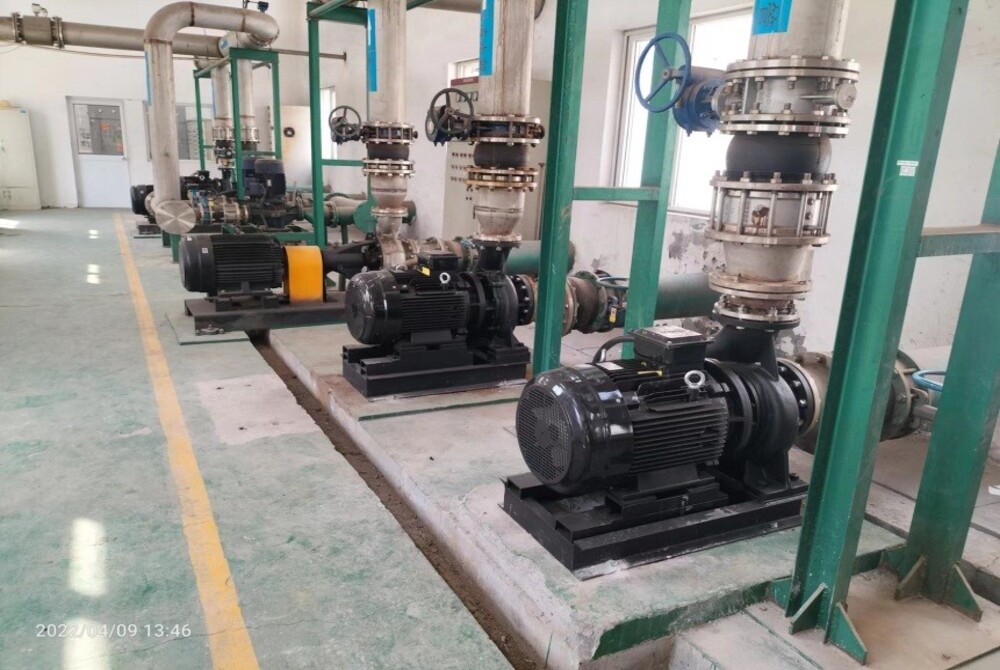
Knitting & dyeing plant of OTIZ | To enhance energy efficiency and reduce carbon emissions, the knitting and dyeing plant of OTIZ implemented a project to upgrade all existing low-efficiency motors and water pumps to high-efficiency models. A total of 70 pieces of equipment were replaced, which improved equipment efficiency and reduced power consumption during production. Upon completion, the project helps the plant conserve approximately 1,010 MWh of electricity annually, equivalent to averting approximately 578 tCO2e of GHG emissions and saving approximately NT$3.28 million in electricity costs per year. |
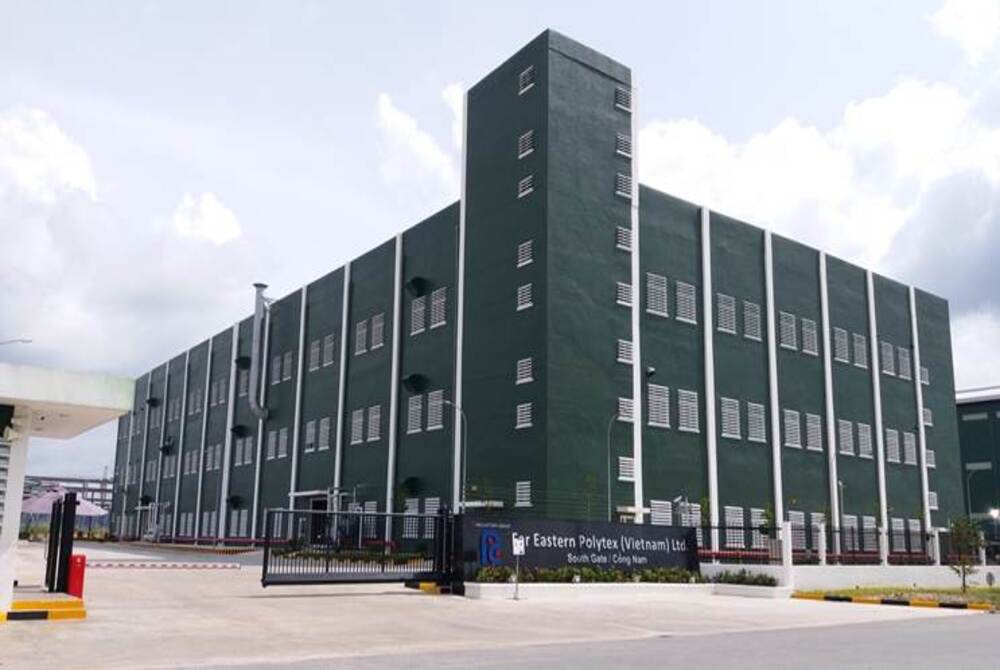
Polyester plant of FEPV | A comprehensive review was conducted to examine the operating mode of process air within the air compressor system. Through on-site investigation and data analysis, the control pressure settings for process air were recalibrated and optimized, allowing the air compressor system to maintain stable operation with a lower rotational speed amid higher pressure. Without compromising the stability of gas supply and quality during production, the project successfully reduced power consumption during equipment operation and enhanced the overall energy efficiency. The improvement conserves approximately 1,600 MWh of electricity annually, equivalent to reducing energy costs by approximately NT$6.39 million and averting approximately 1,061 tCO2e of GHG emissions per year. By adjusting the operating conditions and refining the management of existing equipment, multiple objectives, including energy saving, carbon reduction and process efficiency enhancement, can be achieved without adding or replacing large-scale equipment, making the project a highly practical solution that is worth promoting. |